
Make Real Impact With Data-Driven Hospitality


Written By:
Last Updated Date:
Implementing technology in the hospitality industry helps make everything faster, along with a better customer experience overall.
Equipping a change-ready mindset, managing resistance to change, and building a good strategy are nice skills to have for any leader.
On the other hand, poor planning, insufficient and ineffective communication and not addressing the human needs is what separates a good leader from a normal leader.
Today we’ll explore this topic in detail showcasing, what it takes to be a good leader and how can you drive a real change.
Key Takeaways
- Collecting data means nothing if you don’t act on it to solve real problems and improve guest experiences.
- Break down big problems into smaller pieces using frameworks to identify root causes rather than treating symptoms.
- Create connected systems and empower your team with tools and authority to act on insights quickly.
The Data–Action Gap in Hospitality
This happens when you collect the data you need, but can’t make insights. How can this really happen? When you don’t have connected systems altogether or don’t have enough technical expertise, this can happen.
Although you can simply solve this, all you need to do is to build a really nice and efficient data culture where everyone can share their ideas without judging, while maintaining effective communication between employees. This can get much better.
You should also invest in the right technology, you have to only focus on the tools you need that would drive the business forward. While making everyone on the department know their exact responsabilities and empowering them to act on the insights.
Why Action Matters More Than Collection
It doesn’t matter how much data you collect, if you don’t act on it there would be no result. Better guest experience should be the core of your business. Which in return increase customer loyality, enhance trust and increasing positive reviews.
Also it enhances brand value all this come from focusing on your customer happiness. You’ll get in return enourmous benefits regarding your own happiness and your brand value.
Framework for Turning Data into Action
Define what is exactly the problem or the goal you want to achieve and draw a vision on how you can achieve it, accept the uncertinty and adapt to the changes.
Encourage your team to collect the useful data that you really need without overwhelming the system with unnecessary data.
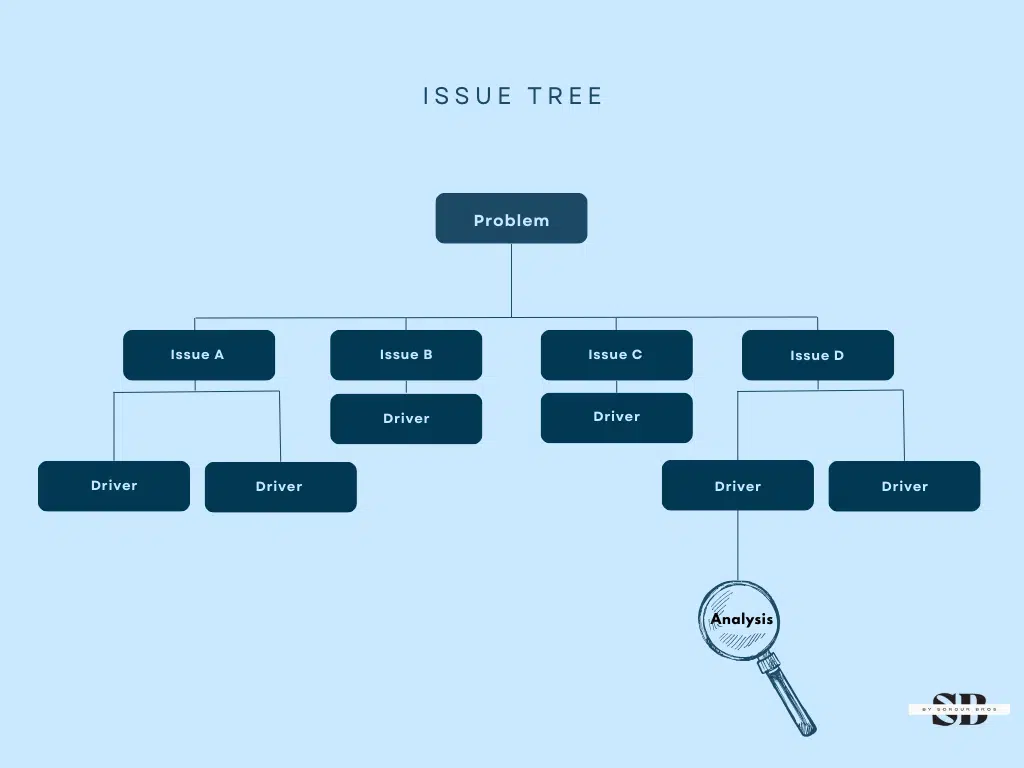
When I attended the mckinsey forward program. I’ve been introduced to something called an issue tree, it’s a way to structure problem into smaller issues to know the core problem that you have. Issue tree is as the figure shown below.
while organizing the issues you can use something called MECE. it’s a framework, when you want to collect helpful data to solve you problem is first, to be matually exclusive, which is that the information you collect should be related, and second is to be collectively exauastive, which means that you collect as much information as you can without missing any point.
Then organize your priorities, then go for action, understand the feedback, improve on it, and adapt to the changing situations, if something not working, try a different method and so on.
Stories of real success
The Soneva Resorts: From Paper to Personalized Experiences
They collected a ton of information, but the problem is that they didn’t act only the data was siloed. Various disconnected systems, along with asking their guests about preferences rather than anticipating their needs.
And because the systems were disconnected. They don’t fix issues as on all locations instead fixing by each feedback for each location.
The core problem was inconcestincy and lack of personalization across properties. They did solve this with a guest data platform. And it can centralize and consolidate all guest information so that they could focus on make them happier.
Then they measured their success from guest satisfaction scores and repeated visits. And this resulted into a better brand identity and success.
The Hoxton Hotels: Using Feedback to Drive Design and Operations
The Hoxton is a boutique hotel chain known for its trendy, community-focused vibe and commitment to continuous improvement. They primary collected feedback through post-stay surveys. Being reviewed weeks or months later.
They got scores on broad problems but not specific ones. This resulted in a slow reach to the right people. With small or no impact observed.
And everything changed when they implemented a real-time feedback system. With a clear plan, so that each problem that is tagged, for example, by the words (noisy, bed, check-in) is sent directly to the relevant department.
They found that operations were slow in the front desk, and streamlined the process. As a result, it became much faster after fixing the main issue, which resulted in more satisfaction levels.
Leading Change as a Hospitality Owner
As a leader you must have a clear vision of what you want to achieve, plan accordingly, and anticipate roadblocks effectively and learn from mistakes.
Also You should be more of an active listener, engage with your team, involve them and empower them. And support them by information, tools and help them adapt to changes. Help them see the opportunity to learn and move forward not as a threat to hide from.
The real power comes from driving data into action, and with these tools in place you can drive real change and make your operations better while making your customers satisfied.
Wrapping up
“Turning data into action is the foundational key to success” — Billy Beane.
We had a long ride from data culture, through strategy and into action. Remember that, It doesn’t matter how much data you collect. It’s worthless when you don’t act on it or solve the real problem that it’s not obvious to you.
In the next articles we’ll go through small data and how it can drive a real impact, through focusing on the real metrics, analytics and much more to drive real business success.
Frequently Asked Questions (FAQ)

I’m a Data Enthusiast and Content Writer with a passion for helping people improve their lives through data analysis. I’m a self taught programmer and has a strong interest in artificial intelligence and natural language processing. I’m always learning and looking for new ways to use data to solve problems and improve businesses.